Blog
Relaxed but Certain
Relaxed but Certain
February 25, 2026
9 Lives & Counting
Life 9
The capability was already there. I could analyze workflows, identify pain points, and articulate solutions in language executives understood while still documenting them in ways developers could execute. What changed was not what I could do. It was how I saw myself.
I began using the visualization techniques described in the book — a large conference room, myself at the center, owning the conversation, the room looking to me for direction. I didn't strain for it. I held the image, relaxed but certain. A year later, I was in Dallas, in a large conference room at Verizon, my laptop projected on the screen, fielding every question in the room and asking the ones that needed asking. The scene didn't match my vision exactly, but what manifested was better than what I had imagined.
From there, the pattern repeated. Clients requested me specifically. Work compounded. The income followed, and it compounded in ways I had not planned for. None of it felt forced. It felt as if once the identity was accepted internally, the external world quietly reorganized around it.
What I am describing is not wishful thinking. It is a hybrid model of manifestation — one that blends energetic interconnectedness with alignment to something larger than the individual. Call it prayer, meditation, or visualization. Call it God, the Universe, a divine power. The labels don't matter, but the process does. The key is not to focus on what you want — more money, a better title, a different life. The key is to place yourself in the outcome that has already arrived. Not wanting the room. Being in the room. Hold that image clearly. Don't strain for it. Let it settle into something you carry with you rather than chase. I believe that thought carries vibration, and that vibration responds when intention is calm and fully embodied — not performed, not forced, just held.
I also know what breaks it—forcing never worked. Overreaching creates resistance — I learned that the hard way at a US Amateur pool tournament in 2002, an embarrassing lesson I have never forgotten. The posture has to be relaxed and focused, decisive without desperation. Trying too hard repels. Certainty without tension attracts.
Haanel is pointing to the same truth found in most spiritual traditions — give to the whole, and it returns to you in abundance. The solar plexus, as Haanel describes it, is not anatomy. It is the seat of that exchange. What you radiate outward — generosity, contribution, genuine presence — the universe returns compounded. I have felt this from people all over my life, friends in the States who have shown up in every way distance allows. But there is something about the concentration of it in Cascais that I have never quite experienced anywhere else. People who relocate to another country and build a life from scratch tend to give freely — they know what it costs to start over, and that shared experience creates a current that moves through the community. I felt it before my cancer diagnosis. I have been held up by it since.
I am re-reading The Master Key System now — actually listening to the audio this time — and finding a deeper understanding of what Haanel was pointing at. And I am using it for something far more personal than my professional career.
The image I keep returning to is Tina — older, the way a woman looks when she has lived fully and without apology. Silver threading through her hair, worn the way she wants it. The lines in her face that only come from decades of laughing, arguing, loving, and showing up. And her hands — I always come back to her hands. Soft but certain, the knuckles a little more pronounced, the skin the way skin gets when it has held things — a child, a glass of wine on a terrace, my hand across a thousand ordinary moments that turned out to be everything.
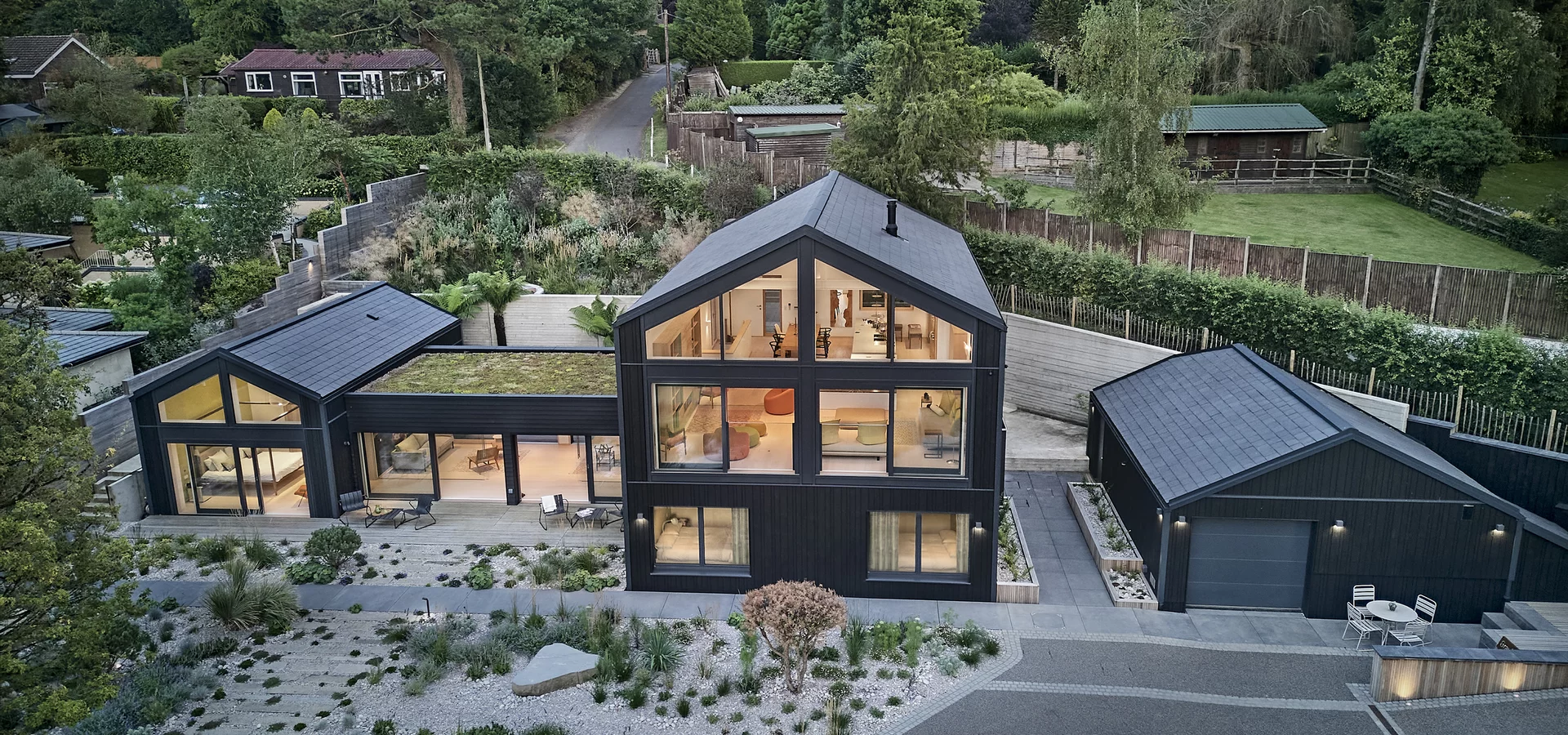
A house with large windows and light coming in the way it does in the late afternoon, an open kitchen, and people moving through it. Our house — not a rental. The last move.
Friends we collected along the way — from Cascais, from every city and chapter before it — visiting us there. Soren finding us there, his wife beside him, a small child moving through the room the way small children do — unannounced, certain of their welcome, already at home.
Both of us healthy. Both of us still here.
That is what I am holding in consciousness now.