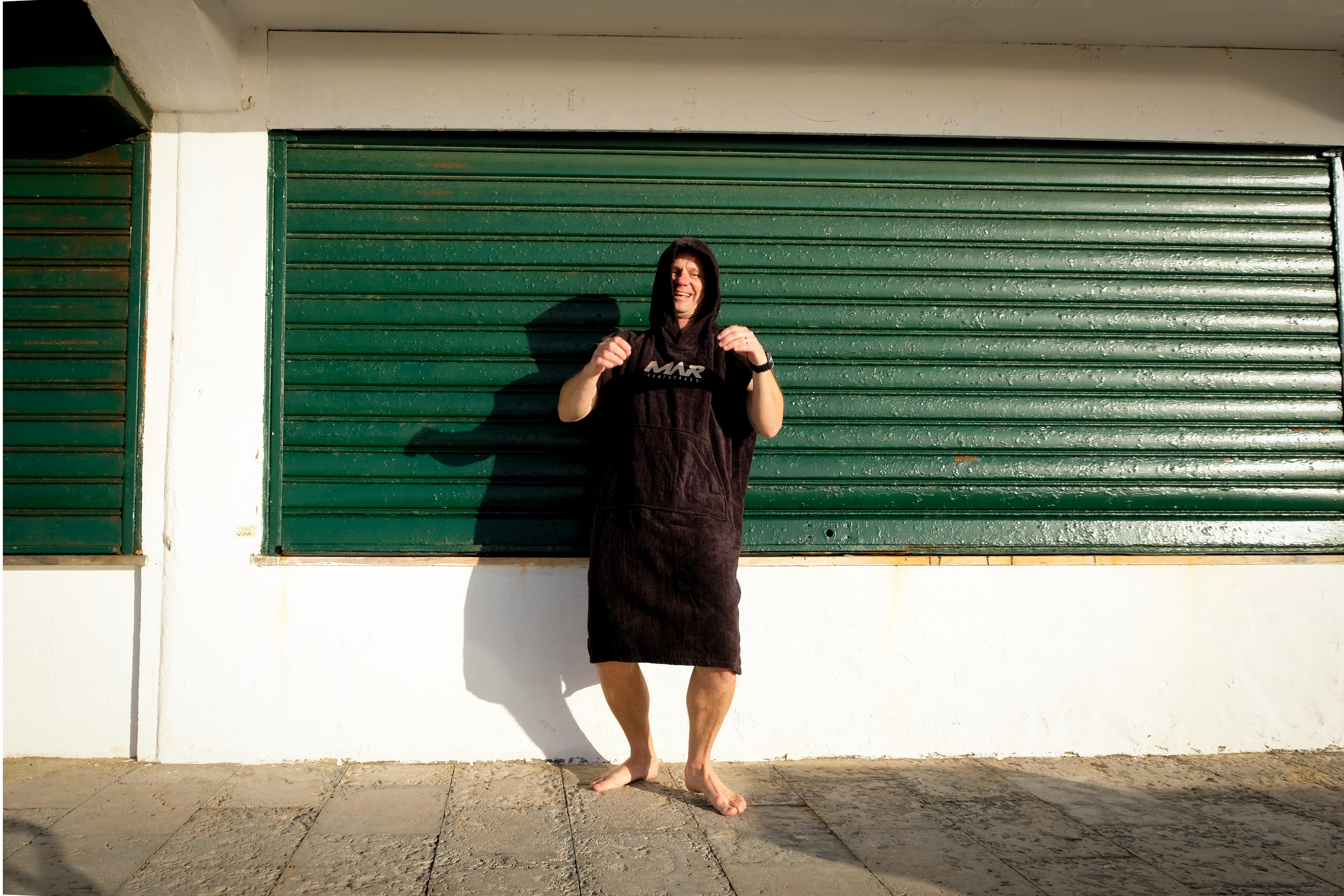
On day 7, I also woke up with significant back and neck stiffness—tight enough that turning my head was difficult. The day before, I did low-intensity lower-body weights, and combined with chemo, that's a perfect recipe for systemic stiffness and muscle guarding.
Here's where the cold plunge question comes in.
I've used cold plunges for the past year. Outside of chemo, they've reliably made my body feel looser, calmer, and more mobile. My usual protocol is ~14 °C for 15 minutes, and historically that's worked well for me.
But chemo changes the equation.
What cold actually does
* reduces pain perception (analgesia)
* dampens inflammation signaling
* causes vasoconstriction (reduced blood flow)
That numbing effect can feel like recovery, but it's mostly symptom suppression, not tissue repair.
Why does this matter with neuropathy
Chemo-induced peripheral neuropathy is actual nerve injury (axon and/or myelin damage). Those nerves are already compromised. Prolonged cold reduces blood flow and nerve conduction further, which can:
* temporarily numb pain during exposure
* worsen nerve symptoms afterward
* prolong recovery if overused
The key problem isn't the temperature. It's the duration.
The mistake: assuming more is better
At ~14 °C:
* pain-blunting happens within 2–5 minutes
* staying in longer than ~10 minutes adds no recovery benefit
* past that point, cold becomes a stress signal, especially for injured nerves
What worked for me pre-chemo doesn't automatically transfer mid-chemo. Same tool. Different body.
The smarter approach
If cold is used at all during chemo:
* keep it short (≤5 minutes)
* protect or exclude the feet when neuropathy is active
* rewarm actively (walking, gentle movement)
* never use long cold exposure to push through stiffness
For stiffness and tightness right now, heat plus gentle mobility is more aligned with what my body actually needs: blood flow, reduced muscle tone, and nervous system down-regulation.
Footnote: What's going on with my big toe
This is chemotherapy-induced peripheral neuropathy (CIPN). Technically, it's a distal axonal nerve injury (sometimes with secondary myelin involvement). The sensory nerve supplying my big toe has been damaged by chemotherapy. The axon—the nerve's signal-carrying “wire”—misfires, so pressure on the toe triggers pain even though there's no muscle, joint, or tissue injury there. This typically appears suddenly once cumulative chemo exposure crosses a threshold, which is why it wasn't present last week.What helps: support circulation and reduce nerve stress. Heat, gentle movement, and light activity improve blood flow and reduce muscle guarding without taxing injured nerves. Symptoms should be tracked across chemo cycles and flagged early if they worsen or spread.
What doesn't help: treating this like muscle soreness or inflammation. Prolonged cold exposure, excessive compression, or “pushing through” numbness can reduce blood flow to already-injured nerves and aggravate symptoms, even if pain feels dulled in the moment.